
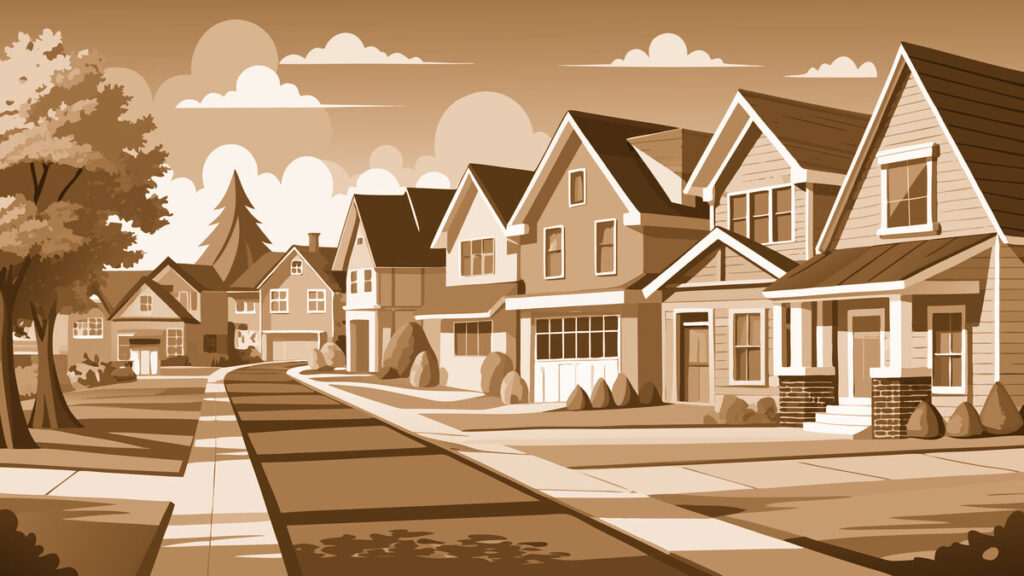
Nestled among the leafy streets of Des Moines’ west side, Linden Heights stands as a testament to over a century of rich history, welcoming community spirit, and architectural charm. Mention the winding drives of Linden Drive or the gracious homes lining Forty-second Street, and any longtime Des Moines resident will fondly recall Linden Heights’ unique place in the city’s heritage. From its early 20th-century origins to its role as a shelter for mid-century professionals and onward to its current resurgence, Linden Heights is a neighborhood where history is not just remembered—it’s lived.
Origins: The Birth of a Neighborhood
Linden Heights traces its roots back to the turn of the 20th century, a time when Des Moines was rapidly expanding westward. The neighborhood was officially platted in 1914, during a period when “streetcar suburbs” were blossoming throughout the city, catering to downtown workers seeking peaceful refuge from the urban core. Developers sought to attract families with the promise of picturesque home sites, mature trees, and rolling landscapes.
The name “Linden Heights” is a loving nod to the abundance of linden trees woven throughout the neighborhood—both planted purposefully and thriving naturally along its ridge-top location. The “Heights” in the name is a reference to its gently elevated terrain, which offers sweeping views toward the Raccoon River valley. Early promotional materials proudly boasted healthy air, scenic vistas, and easy access to what was then the streetcar line along Ingersoll Avenue.
Growth and Key Milestones
In the years following its initial development, Linden Heights quickly became a sought-after address. By the 1920s and ‘30s, stately homes—many crafted in the Arts and Crafts, Colonial Revival, and Tudor styles—dotted the neighborhood. Streets like Woodland Avenue, Grand Avenue, Linden Drive, and Polk Boulevard became synonymous with gracious living.
Some of the neighborhood’s earliest residents were prominent in Des Moines’ business and civic circles. Their imprint is still visible today in the grand houses adorned with limestone, elaborate brickwork, and welcoming front porches. The nearby Bergman Academy (formerly known as Des Moines Country Day School), established in the early 20th century on Polk Boulevard, became a cornerstone for family life and education in the area.
The construction of the stone pillars at Linden Drive and 42nd Street remains a cherished neighborhood milestone—symbolic gateways built by early residents that mark the boundary of the historic district. These pillars, still standing, serve as reminders of the care and pride invested in Linden Heights from its very start.
Notable Landmarks and Institutions
- Greenwood Park: This expansive city park on the eastern edge of Linden Heights has long been a natural gathering place. Home to walking trails, a serene pond, and lush woodlands, Greenwood Park connects directly to the Des Moines Art Center, making it a cultural anchor for the entire west side.
- St. Augustin Catholic Church: Located on Grand Avenue, just steps from Linden Heights, St. Augustin’s Gothic-inspired stone church has been a spiritual and community hub since its construction in the 1920s. Its bells and stained glass are familiar sights and sounds to generations of residents.
- The Des Moines Art Center: While not within the precise boundaries of Linden Heights, this modernist architectural gem is an essential part of neighborhood life. Designed by luminaries such as Eliel Saarinen, I.M. Pei, and Richard Meier, the Art Center sits adjacent to Greenwood Park and is a destination for culture-seekers citywide.
- Historic Homes: The neighborhood’s residential architecture serves as an open-air museum. Iconic homes line Forty-second Street, with impressive examples of Prairie, Mediterranean Revival, and Craftsman bungalows nestled side by side. Many houses feature original details—glasswork, wood trims, and tile roofs—that tell the story of a bygone era.
Evolution Through the Decades
As Des Moines continued to grow, so did Linden Heights. By the 1950s and ‘60s, the neighborhood had become a favorite address for professionals and academics attracted by the peaceful ambiance and proximity to schools, shops, and the city’s cultural offerings.
The latter half of the 20th century saw waves of renewal and historic preservation, as residents banded together to stave off threats of commercial encroachment and maintain the area’s residential charm. The neighborhood association, a tight-knit organization, played and continues to play a key role in advocating for thoughtful development, traffic calming, and the preservation of the area’s leafy character.
Streets, Parks, and the Linden Heights Feeling
Mention a walk down Linden Drive on a spring evening and neighbors will smile knowingly: it’s an experience that defines the neighborhood. Tall linden and oak trees arch above, the gentle grade offering glimpses of sunsets over Greenwood Park. The streets—Linden Drive, 42nd Street, Polk Boulevard, and Woodland Avenue—offer a grid that’s walkable, safe, and neighborly.
Children play in backyard gardens and older residents tend to flower beds that were started decades ago. Seasonal traditions abound: holiday luminarias, summer gatherings at Greenwood Park, and annual home tours that invite residents and visitors alike to step inside some of Des Moines’ architectural jewels.
Linden Heights Today: A Neighborhood with Heart
Today, Linden Heights retains its welcoming, small-town feel even as Des Moines has blossomed into a thriving city. New families settle in, drawn by the schools, the parks, and the intangible sense of community. Lifelong residents pass stories and traditions from one generation to the next.
Through the decades, what has truly set Linden Heights apart is its people—a community that values heritage, cherishes relationships, and takes pride in both preserving the old and embracing the new. Linden Heights isn’t just a place you live; it’s a place you belong, where every corner holds a memory and every street tells a story.
If you ever find yourself seeking the soul of Des Moines, walk beneath the linden trees of this historic neighborhood. You’ll find history and hope, side by side, in the heart of Linden Heights.